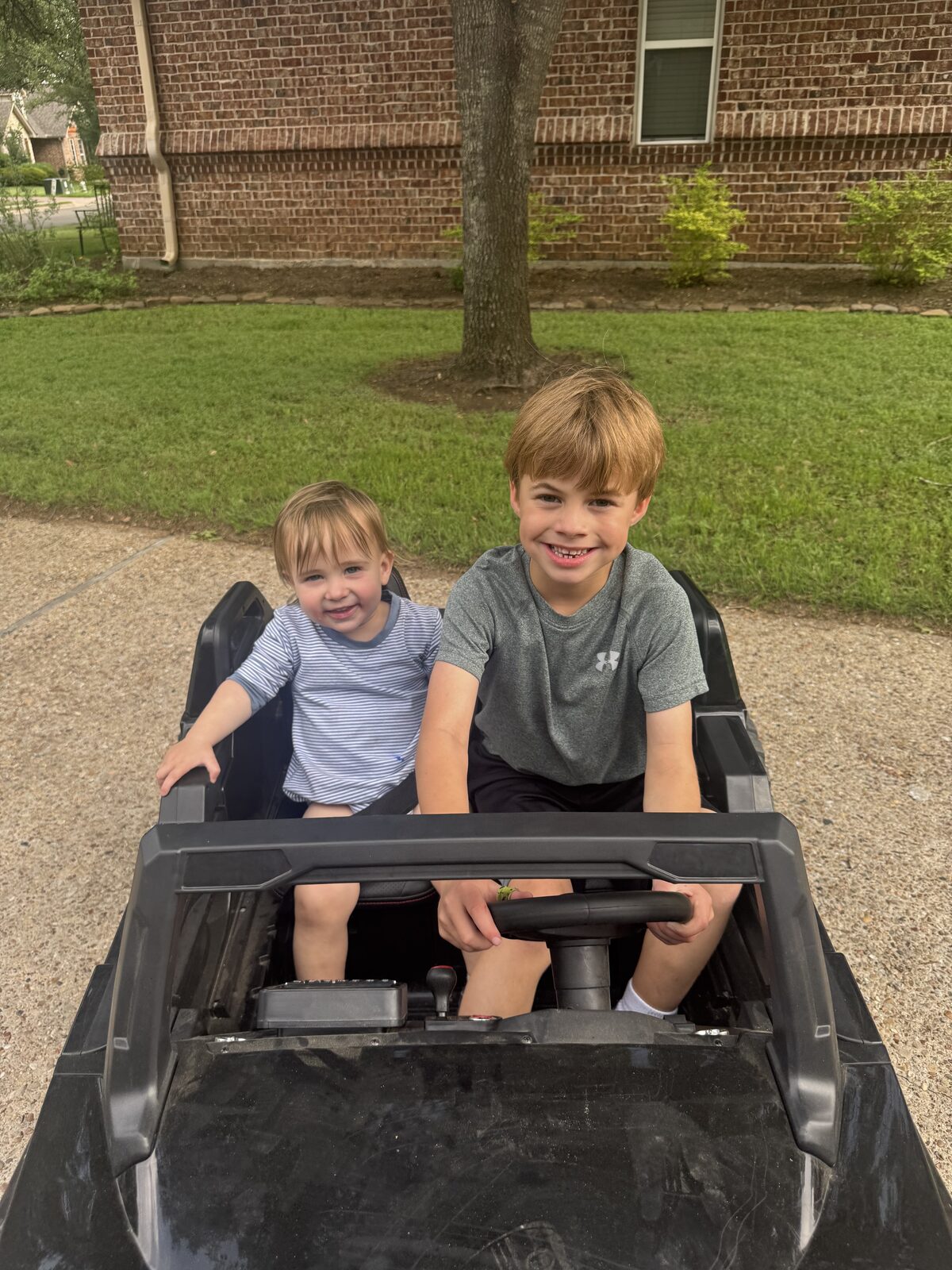
Dear Scotty, Bradford, and Your Unborn Siblings and Cousins,
A Revolution of Ideas
Today is the 250th birthday of your country. Given that you are respectively six years old, one and a half years old, or a hypothetical human being, you only have a vague sense of what today means. By the time you are able to appreciate the Fourth of July as an adult, your grandmother and I will be unable to fully express what today meant to us. So I write to you for your future reference.
Missy and I have spent the last three weeks exploring the American Revolution, an endeavor we heartily recommend. There was something about walking the battlefields, sitting where our founding fathers sat, and exploring all aspects of that conflict that opened our eyes again to the enormity of what took place 250 years ago. Sadly, our trip impressed on us how close we are to throwing away a precious gift bought with blood and sacrifice.
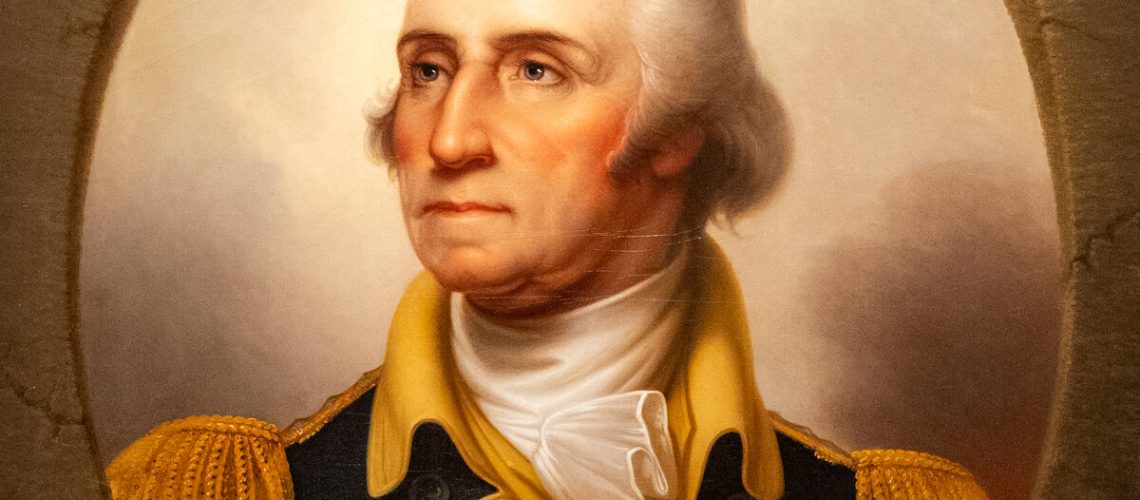
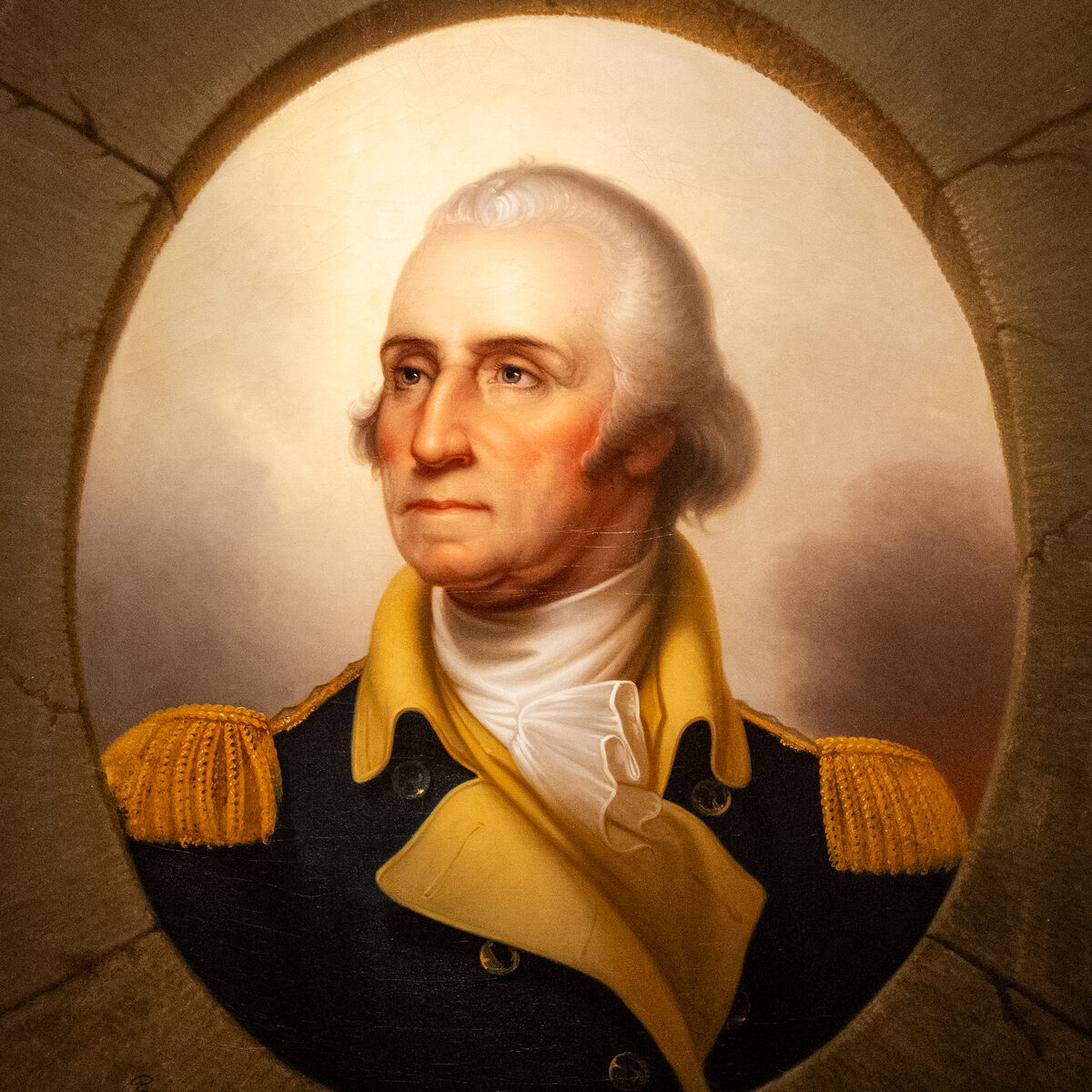
Having read much written by and about George Washington, I feel confident in saying that his favorite word was likely “providence.” Providence has two meanings and they both usually applied to Washington’s writings. The first definition is that a higher power is guiding human destiny to the right result. The second meaning is that human prudence and foresight is necessary to achieve a just end.
The Declaration that was re-read and celebrated today borrowed heavily from other philosophers, but was unique in its manner, force, and coherent arrangement of the most powerful ideas man has ever thought. The three key themes, which I pray I am only repeating for you, were that the rights men enjoy are naturally their own, that all men share those rights, and that men can and should govern themselves to ensure the common enjoyment of their rights.
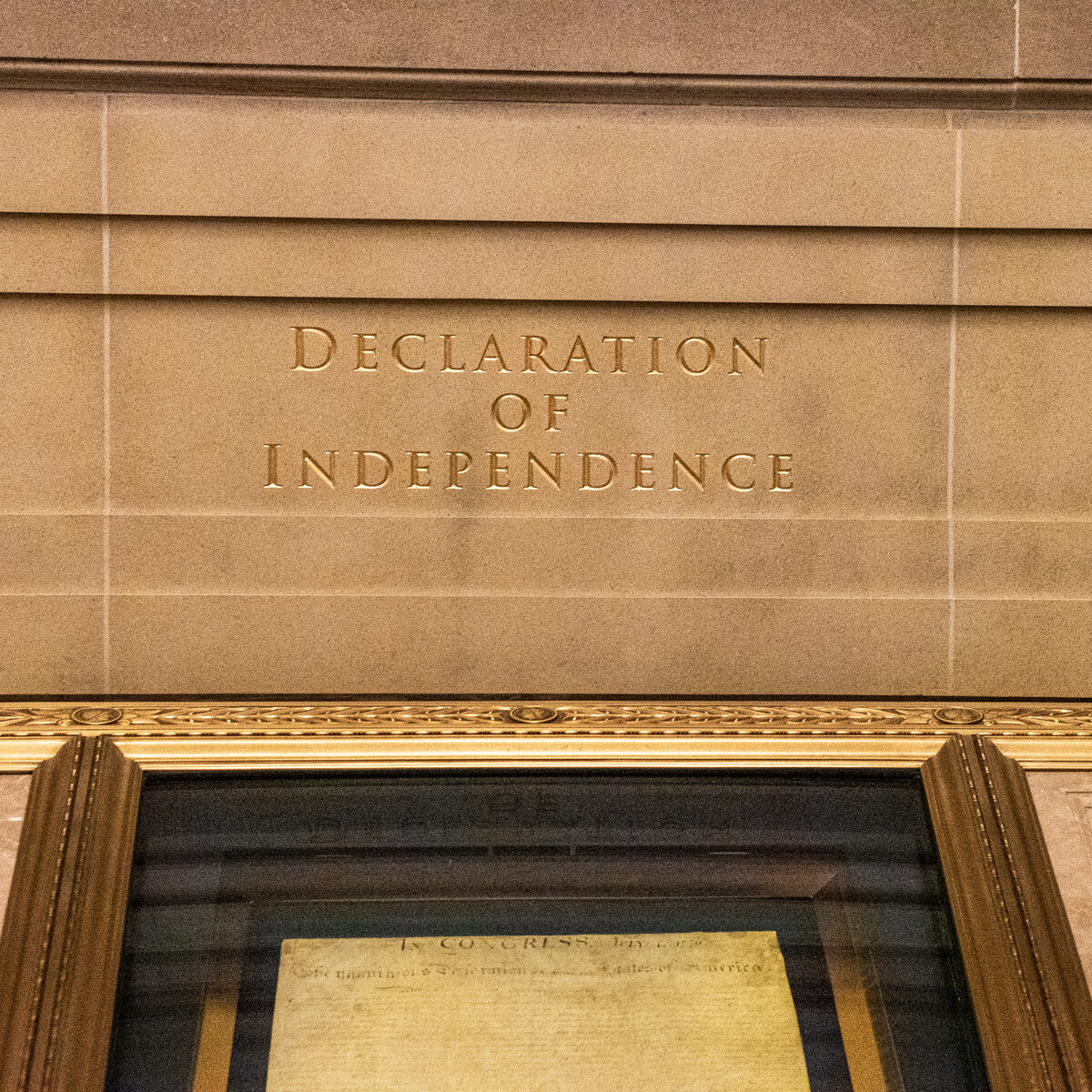
The Declaration was and is a marriage of the twin meanings behind Washington’s favorite word. The United States we enjoy resulted from both grace beyond imagining and remarkable human wisdom and courage. What we learned on our trip and what we want you to embrace is that the thoughts are intertwined like strands of a rope. If Americans do not echo the wisdom and courage of their ancestors, the “divine providence” that has protected us for centuries will fade to meaningless memories.
The Fight
The American Revolution was the first war fought for the right of political self-determination, but many wars have been waged for freedom from rule by other kings. Those wars were and are often lost with dire consequences for the rebels. Add to this “usual” revolutionary risk the fact that freedom we sought was from the most powerful empire on earth, and it is easy to see why many thought that negotiation with England to be the better course.
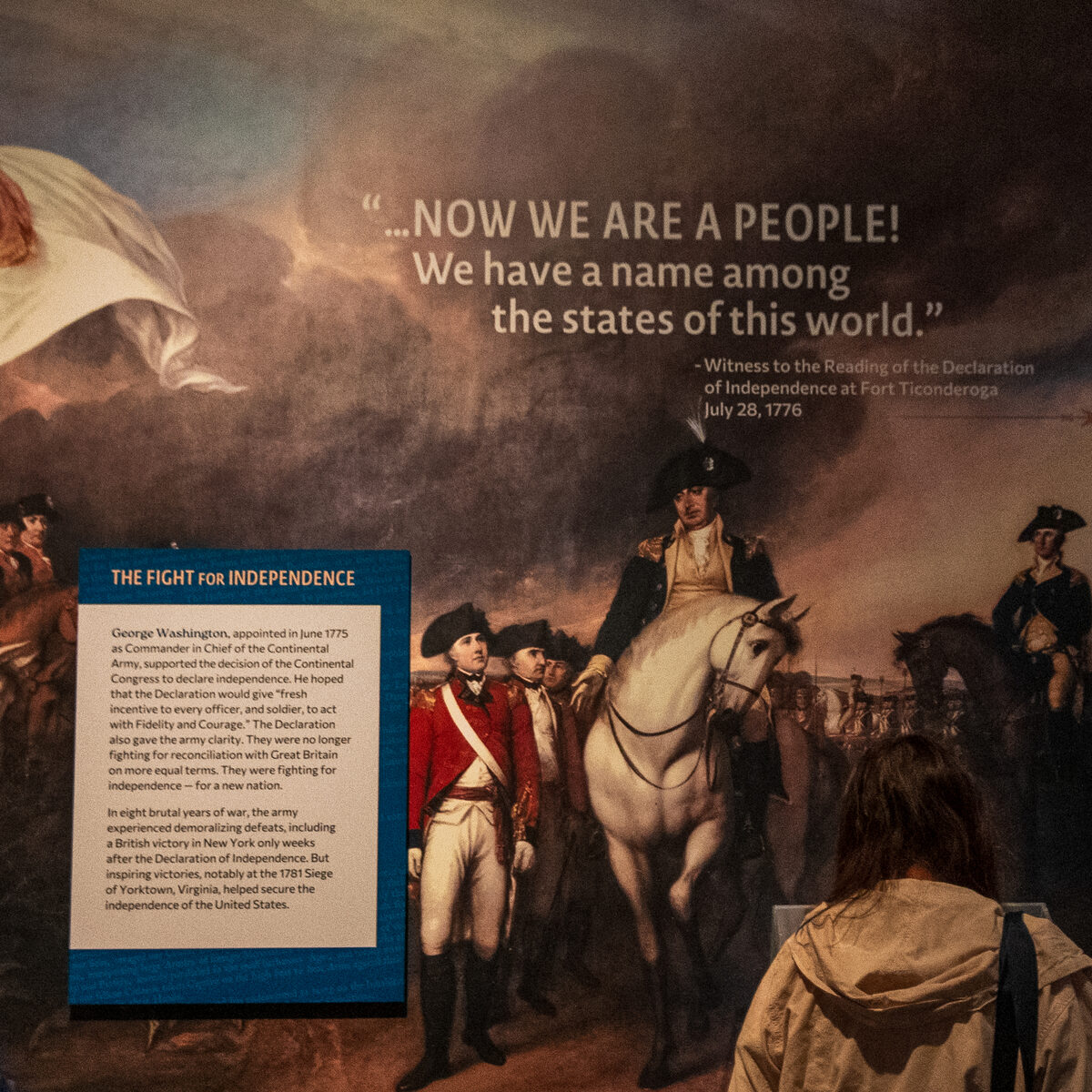
These conflicted feelings were why the Declaration served a military purpose. Washington was asking his men to suffer both daily discomfort and to face death, disease, and dismemberment for what? If it was the repeal of tax laws, the decision-making scales would eventually tilt towards accepting British rule. The Declaration, however, spoke to loftier aspirations. As soon as Washington read the Declaration to the troops on July 9, 1776, and often afterwards, Washington called on his men to fight for their right to be truly free men, with a say in their future.
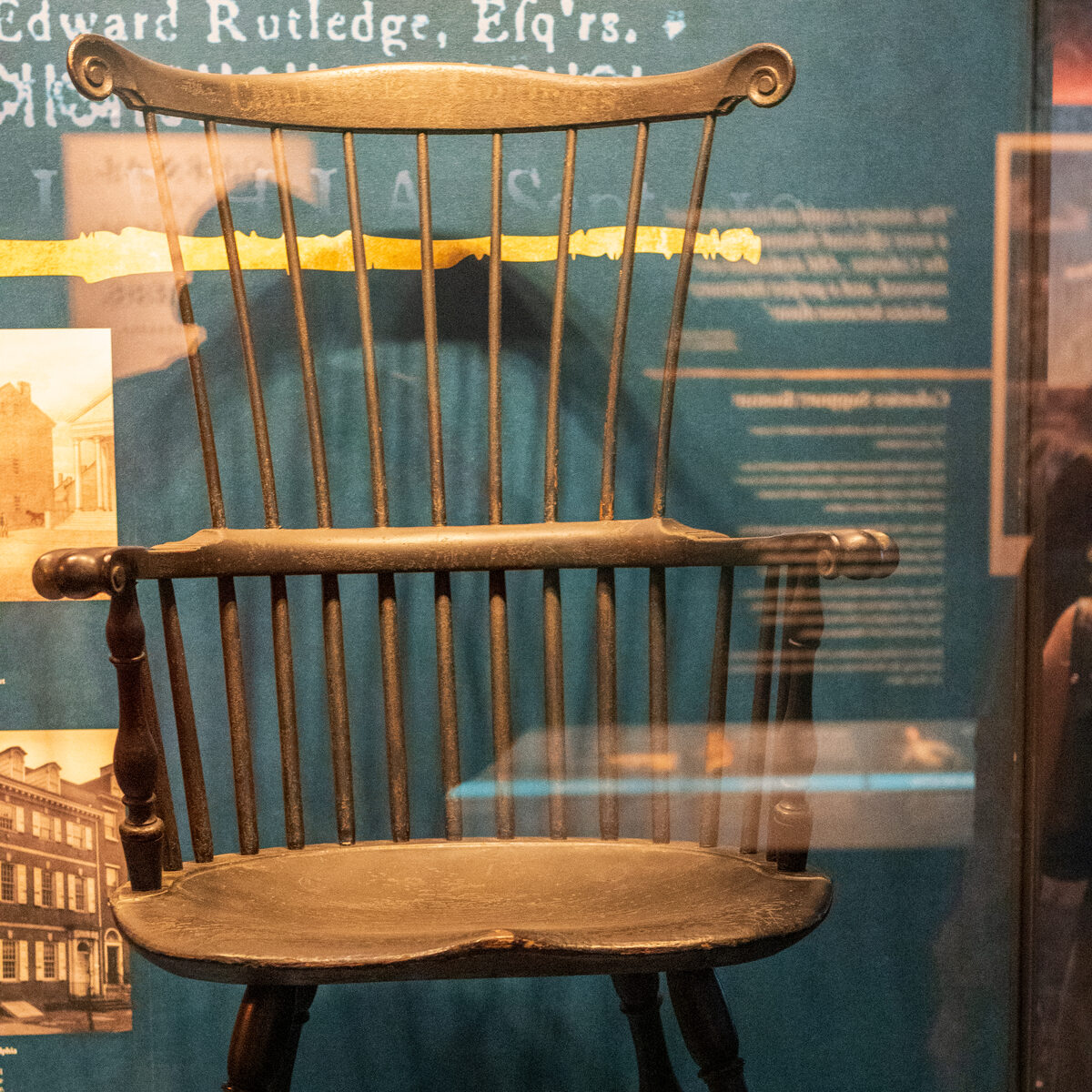
Fight they did. For eight long years, men between the ages of 15 and 60 endured hunger, lack of clothing, and constant illness for the chance to fight to the death against opponents with better training, equipment, and supplies and far more experience. The British generals and admirals had decades of knowledge while ours often were learning on the job. It is no surprise that the Revolutionary War was one long exercise in barely avoiding disaster. From the battle for New York in 1776 to Valley Forge to the losses of Charleston and Savannah to the disaster at Camden, we were within weeks or days of subjugation countless times.
Yet, they kept at it with dogged determination. Over time, their faith in Washington grew complete, as did his faith in them. They honed tactics that minimized their shortcomings and maximized their few advantages. More than anything else, they persisted until providence provided.
Providence Speaks Many Languages
We learn best what we learn first. So for many of us, the story of the revolution is only the story of Washington’s army overcoming the all-powerful English. What I am about to say does not minimize our national identity, but Americans should understand that the fifth-grade version of the war is not what happened.
When General Gates stopped and conquered an arm of the British Army at Saratoga, the spoils of victory were immense: more than 7,000 British soldiers eliminated from the fight; artillery, guns, and ammunition for the Continental Army, and a huge morale lift. All of those rewards combined, however, were nothing next to the true meaning of the victory, which was that the French decided that we were worthy of more than shadow support.
The French had their own reasons for their involvement. LaFayette was a true patriot for the enlightenment, but the French court was playing empire politics. Regardless of their motivations, however, the simple truth was that without French support, the best result would have been decades more of war; the more likely ending would be Washington with a noose around his neck. One needs to look no further than our victory at Yorktown. It was General Rochambeau who convinced Washington to move his army to Virginia, it was Lafayette who provided the intelligence and extra manpower necessary to overpower Cornwallis, and it was the French Navy (without the help of one American) who trapped Cornwallis in an impossible situation.
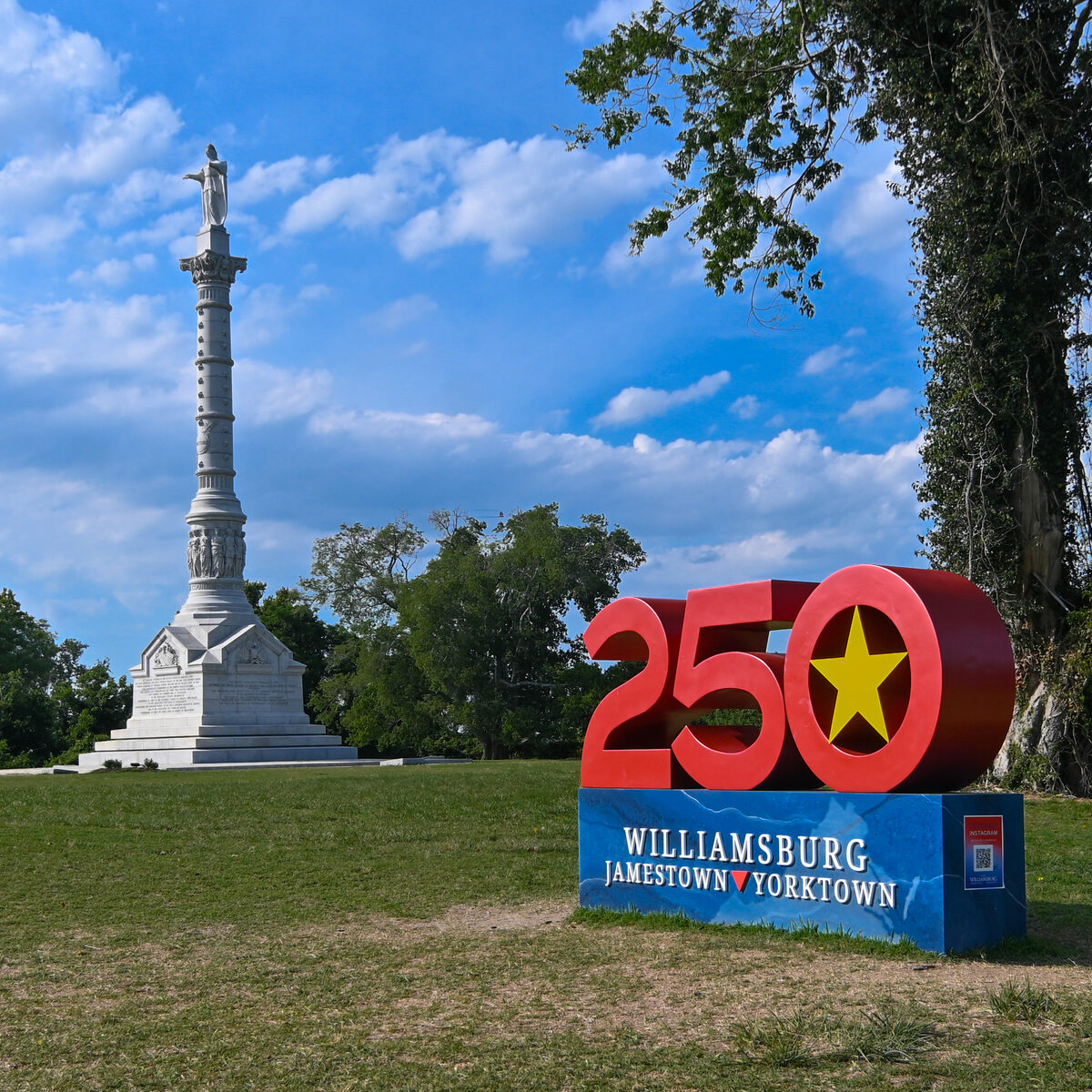
But it was not just the French. Baron von Steuben was a German volunteer who transformed the army into a true fighting force; our own beloved Galveston is named after the Spanish general who shut the English down in what are now the gulf states; we lost count of the number of Polish engineers who devised ingenious fortifications or attack plans; and it was the Oneida Nation who saved a substantial portion of Washington’s army from a sneak attack at Valley Forge.
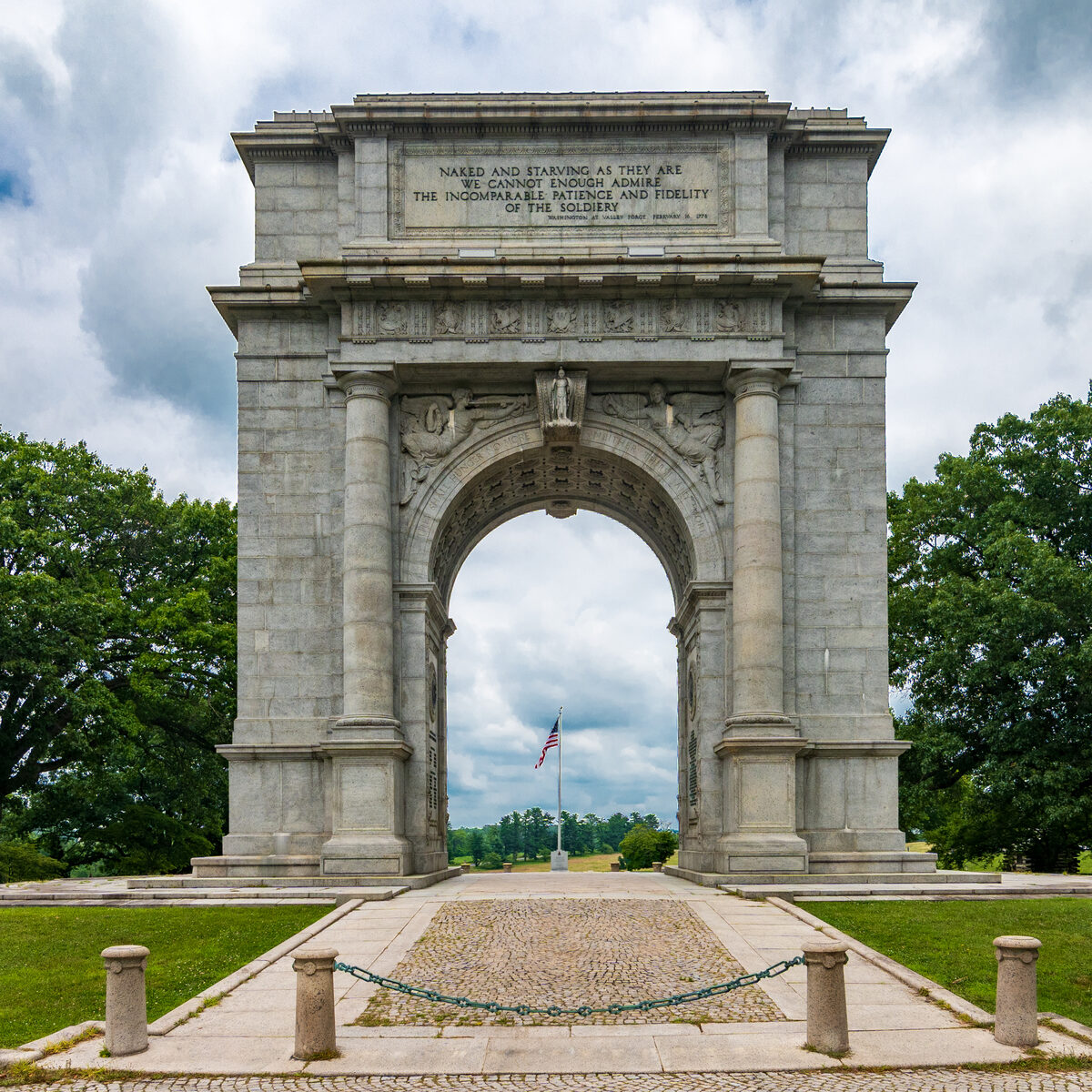
The truth is that many of the Americans were almost as foreign to each other as those from across the ocean. Backcountry woodsmen had little reason to trust planters and plantation owners, who in turn eyed coastal elites with suspicions. Those divisions paled next to the idea of African Americans, both enslaved and freemen, fighting next to white men. Somehow, against all odds, this miniature United Nations fighting force was able to cooperate just enough to gain victory.
The Illogic of it All is Beside the Point
It does not take a genius to understand the gaping holes in the structure of the Founding Fathers’ argument. Despite the lofty ideals, the rights for which they fought were clearly not universal. Abigail Adams’ plea to her husband to “not forget the ladies” went unheeded. The promises made to Native Americans to win their support were insincere, to put it kindly. And of course, slavery was the nation’s original sin and its worst stain. The treatment of the African Americans who fought and the continued subjugation of their families and friends deserved a rebuke of biblical proportions. There is no intellectually honest way to align or minimize these failures. We can, however, learn our lessons.
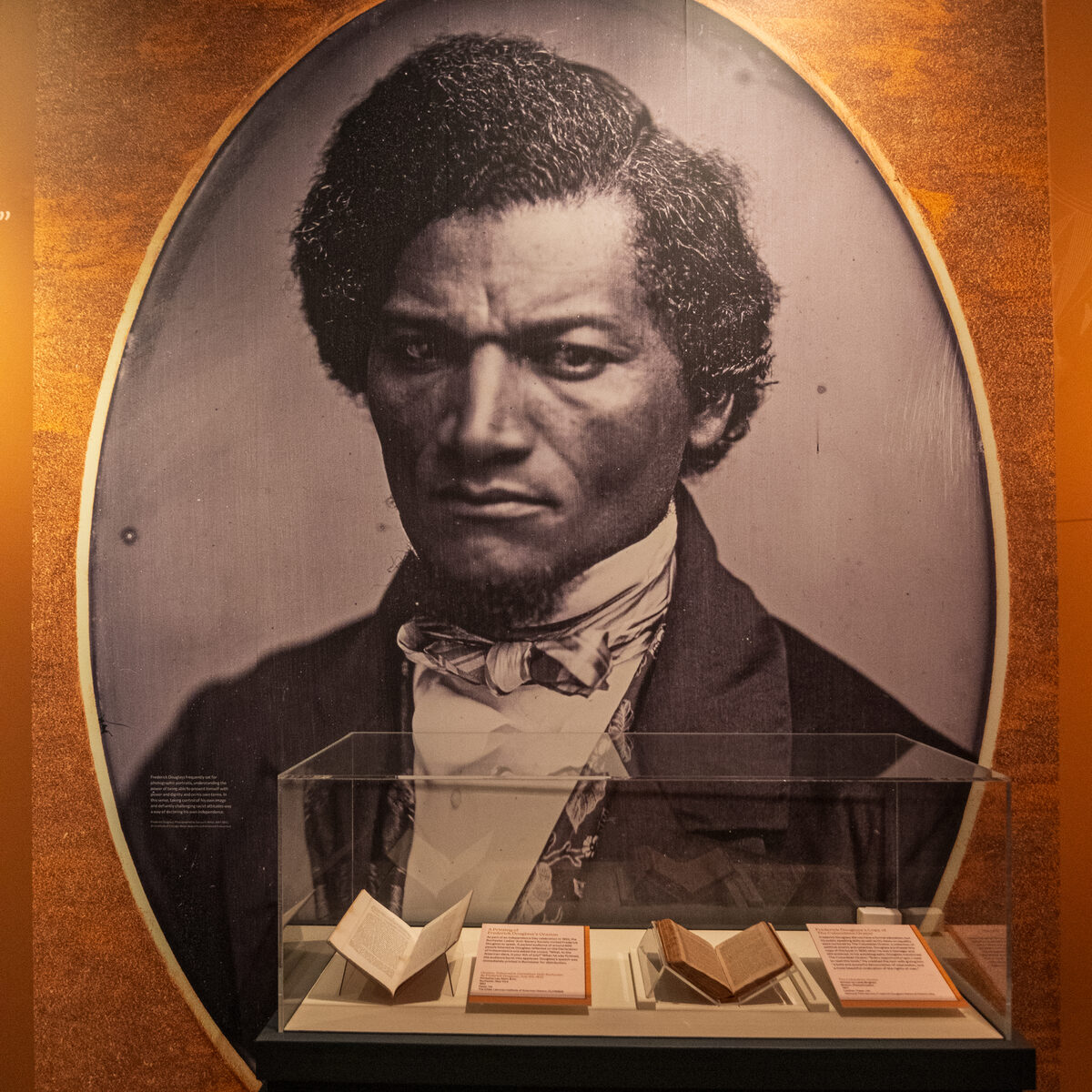
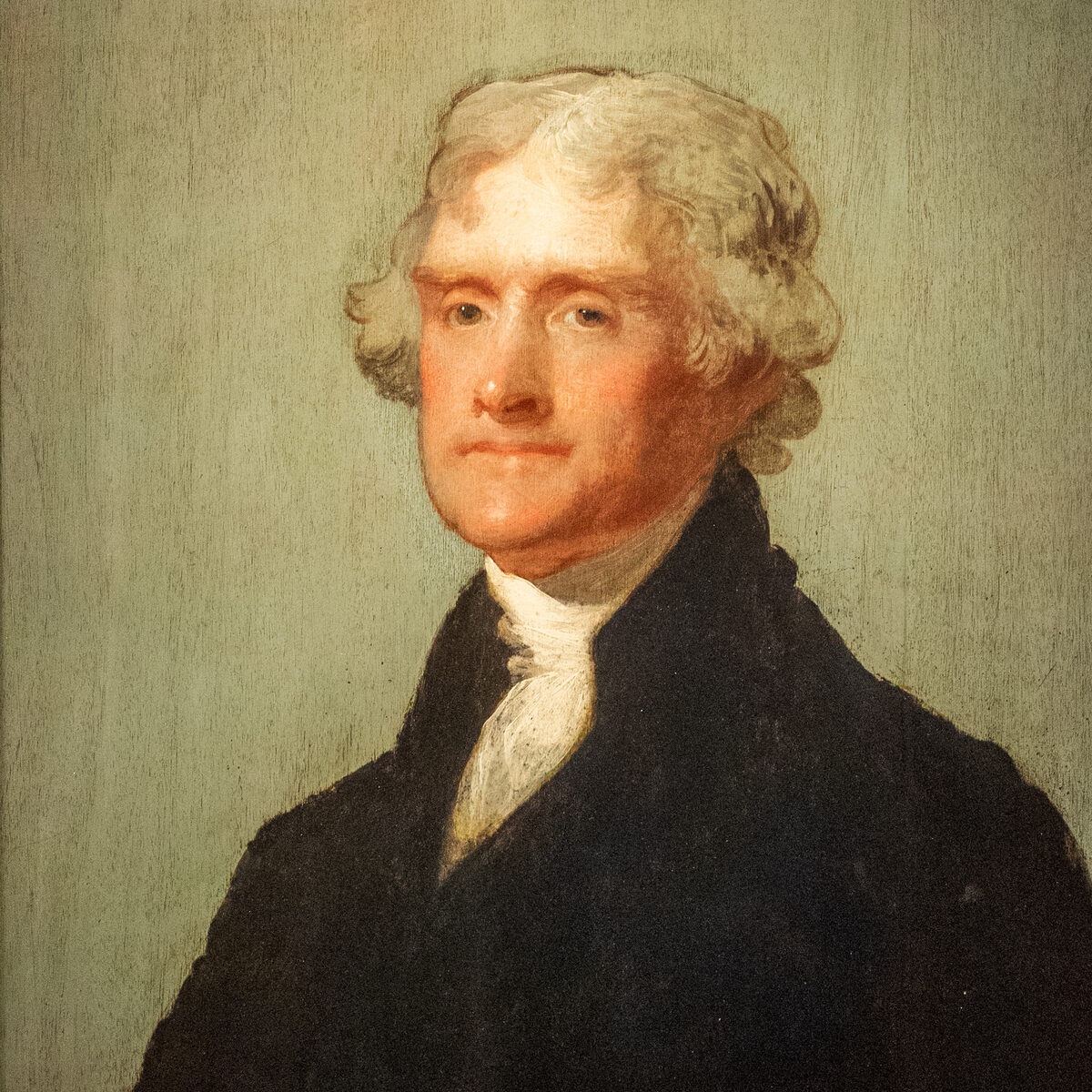
The Founding Fathers were men rather than deities. Although their feats are worthy of honor, we need not take every utterance as a commandment nor follow every example they set. More importantly, ideas are more powerful than people and armies. Jefferson’s words consecrated by the blood of the revolution animated over two centuries of increasing human freedom. The Museum of the American Revolution in Philadelphia has an amazing exhibit that deftly traces how the abolitionists, the suffragists, the civil rights marchers, and scores of national revolutions used Jefferson’s ideas and language to further the cause of human liberty.
The Revolution Remains in the Balance
Over and over again throughout our journey, we were told that the spot we were on marked the turning point of the war. The remarkable thing is that each guide who told us that, told the truth, Washington had to escape across the East River from Brooklyn or the rebellion would have been crushed; he had to cross the Delaware and defeat the Hessians or his army would have dissipated; if Colonel Morgan at Cowpens and General Greene at Guilford County Courthouse had not inflicted terrible losses on the British, Cornwallis would have never moved to Yorktown and the southern colonies might have remained British. The list is actually much longer than that.
Indeed, the government we won failed almost as soon as it was formed; it was only four short years from the Treaty of Paris to the Constitutional Convention. It was also less than a quarter century before we were at war with the British again. Worst of all, the question our founding fathers could not solve led to an unimaginable bloodbath a few generations later. Even with slavery outlawed, Jefferson’s ideas were more of a taunt than a reality to people of color, to women, to Native Americans, to immigrants, and to those outside strict social norms until… well, now.
For many years, every July 4th I wrote a piece celebrating some aspect of American history that took place on July 4th. While always careful to say there remained room for improvement, these pieces were largely self-congratulatory. The Fourth of July is a holiday and celebration should be in order.
Two years ago I stopped writing these columns. Today, I am ashamed to admit that the division this country has sunk to dimmed my ardor for her. To many eyes, including my own, we appear to have lost our common purpose. The country that inspired liberation across the world, that destroyed fascism, that put a man on the moon, and that triumphed over communism, has devolved into a caricature of its worst instincts. And to be clear, today’s writing does not reflect a change in my thoughts about where we are.
Instead, our road trip through the revolution drove home one point. I bet it will be as true in your time as it is in mine. The revolution is not over and it will always be in danger. Jefferson’s ideas remain as dangerous to the powerful and entrenched today as they did 250 years ago. Their reaction is to divide us just as King George tried to divide the Northern and Southern colonies.
Closer to home, slavery, the property vote, the male vote, legal discrimination, and restricted marriage to the opposite sex did not die easily. The expansion of human liberty will never be a gift, it will always be fought for and held at a dear cost. So is today really different?
Providence
Despair over the state of our union is real and deserved. But during our trip I gained a new perspective from an unlikely source. At the height of the war, John Adams said he was “ashamed of his generation,” a quote that seems impossible given what they accomplished. For context, Adams’s quote addressed the war profiteering where men placed personal financial interest over the most just war to ever be fought.
What Adams revealed was that as hopeless as today’s politics seems, our challenges are no greater, our doubts are no deeper, and our differences are no wider than those before the original patriots. The real question is whether we share their will to extend the gift of liberty to all humanity. If we do, and if we act with the same dogged perseverance that saw our forefathers and their allies through from Lexington and Concord to Yorktown, the same providence on which Washington relied will see us through as well.
So Scotty, Bradford, and others–When you are old enough to understand this letter, it will be your country. Fight for her by applying the Declaration’s noble sentiments to all mankind.
Other Fourth of July Articles
Thomas Pope’s Fourth of July 2023
In the Divided States of America (Medal of Honor Winners) 2021
Clark Griswold and the March of History (Race in America) 2020
A Breath of Fresh Air (The Bicentennial) 2019
The Fight of Our Lives (The Reason America Exists) 2018
Destiny Manifested (Texas Joins the Union) 2017
Promises Kept (America at its Best) 2016
Four Score and Seven: A Nation Reborn (Gettysburg and Vicksburg) 2015